
Smoke-Free Grilling · Straight Talk
Do you actually
need
an outdoor vent hood?
Maybe you do. Maybe you don't. Most companies will upsell you on the spot. We'd rather tell you the truth first — then, if you want one, size and install it so it actually works.
◆ No sales pressure◆ Correctly sized or not at all◆ TradeWind · Falmec · Zephyr
"The best vent hoods will take away 30% - 80% of the smoke
depending on your situation."
— The Honest Version
So, you
think you need an outdoor vent hood.
Indoor and outdoor hoods are asked to do completely different jobs. Understanding the difference is the whole game.
Maybe you do. Maybe you don't. Here's the truth almost nobody in this business will lead with.
In the State of Florida there are zero building codes requiring residential vent hoods over outdoor grills. Plenty of companies will quote you a "code" and tell you a hood is mandatory. The code they're citing is a commercial kitchen code — written for restaurants where the general public is at risk. It doesn't apply to your backyard. A handful of municipalities do have their own rules, so we always check yours — but the blanket "it's required" line is usually just an upsell.
Others will tell you a hood protects you in a fire. Hogwash. Residential outdoor vent hoods do not suppress fire — fire loves moving air because it loves oxygen. That's not a safety feature; it's a sales pitch.
So we're going to do something unusual: we'll try to talk you out of it. Outdoor vent hoods are budget-busters, and there are often many other things that would bring far more joy to your life for the same money. If you still want one after hearing all of it — great, we'll build it right..
Our one rule for buying a hood
Every BBQ grill appliance manufacturer publishes installation guidelines. On vent hoods, most say some version of "you may need one." They also set minimum clearances from combustibles and from any ceiling above.
The keyword is "combustibles."
Stucco and drywall aren't combustible — they're fine above a grill. But a wood or faux-wood ceiling changes everything: every grill manufacturer recommends a hood there, no matter how high the ceiling is.
— Ask yourself first
Do I need an outdoor vent hood for my grill?
Before you spend a dollar, run your setup through these three checks. They decide it faster than any salesperson will.
Check 01 · Your ceiling
How high & what's it made of?
If your ceiling is stucco or drywall and sits at least 72" above the cooking surface, most manufacturers say you don't need a hood at all.
Likely no hood needed →
Check 02 · Combustibles
Is there wood overhead?
A wood or faux-wood ceiling (tongue-and-groove, cypress, faux beams) is combustible. Every manufacturer recommends a hood here — at any height.
Hood recommended →
Check 03 · The real reason
Is it the smoke — or the look?
If your walls are open, a hood won't clear much smoke (see below). Many clients ultimately want one for the design statement. That's a valid reason — just know it going in.
It depends — let's talk →
— The Physics — in Plain English
How outdoor vent hoods
actually work
Indoor and outdoor hoods are asked to do completely different jobs. Understanding the difference is the whole game.
◐ Inside, it's steam
An indoor hood deals primarily with moisture — water cooking off your food and a little vaporized fat. It rises gently, straight up, inside your home with no wind. A modest microwave with a vent fan can handle it.
Four walls and a still room mean nearly everything that rises gets captured. Easy conditions.
◑ Outside, it's smoke
Outdoors, there's real fire, and where there's fire there's smoke — moving fast off a hot, wide grill, carrying vaporized solids that turn into that black, sticky film when they cool on a surface.
Worse, you have
ambient air moving in every direction. The more open the space, the more the draft pushes smoke away from the hood. Even a ceiling fan can wreck a hood's performance by shoving smoke back down on you.
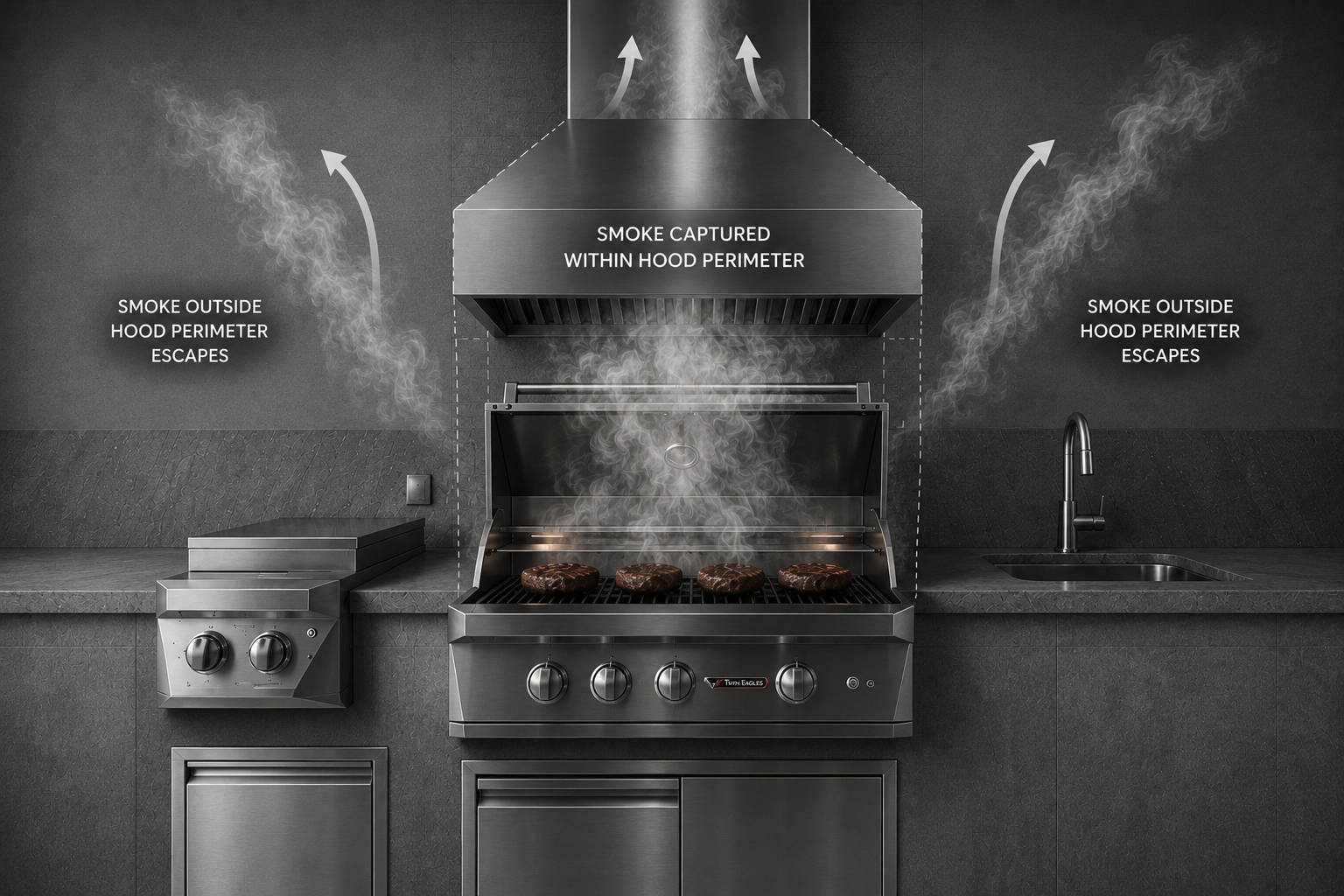
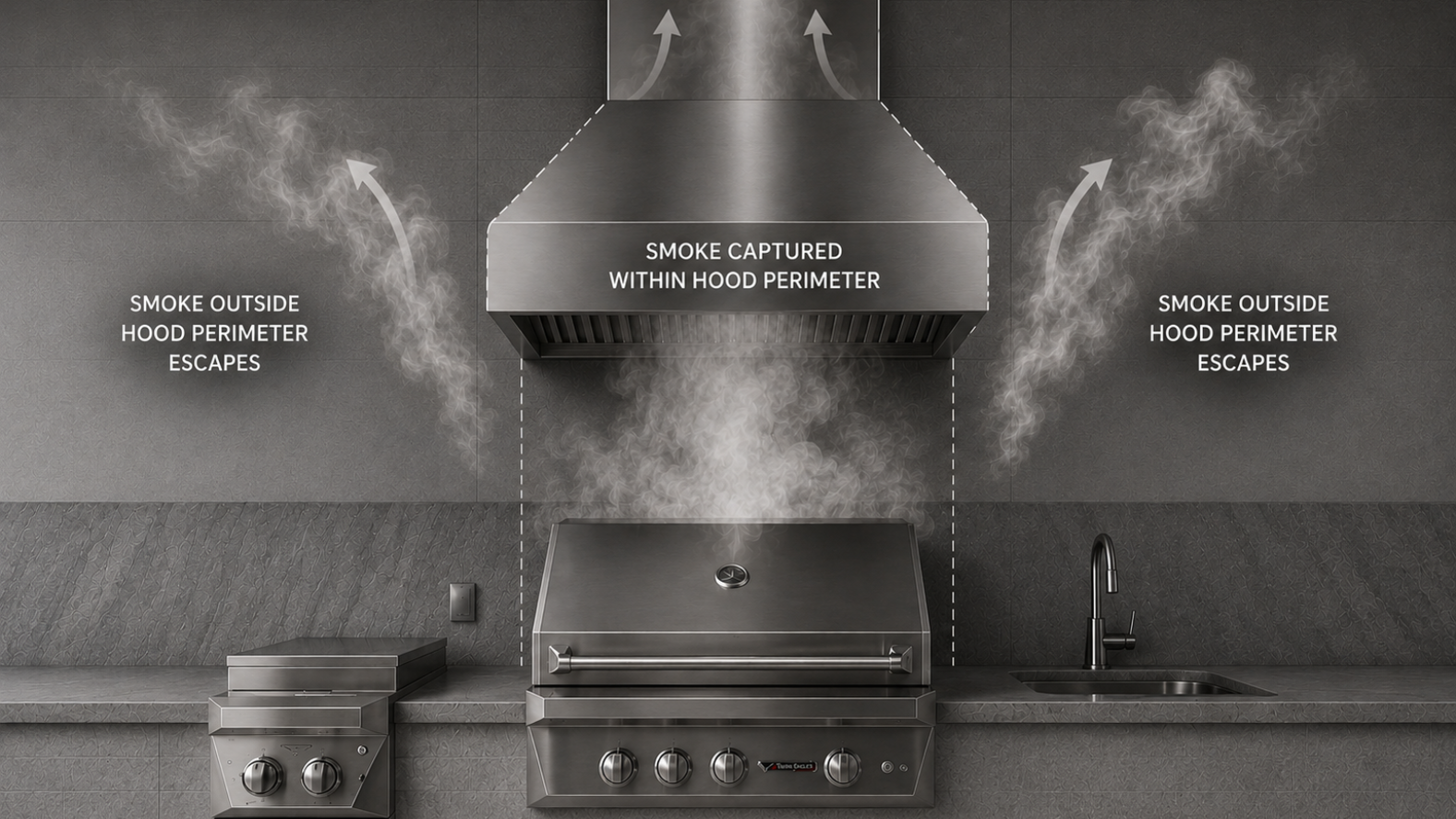
Here's the rule that governs everything: a vent hood — inside or out — can only capture steam or smoke that rises directly into its capture area. Anything that drifts outside that footprint is gone. Some hoods are beautiful and barely functional; a vent hood that is too small will get absolutely ignored by the steam or smoke and head straight to the ceiling.
— The Numbers Nobody talks to you about
How much smoke will a hood
really remove?
The best widely-made hoods pull 30% to 80% of the smoke — and which number you get is decided almost entirely by the walls around your grill, not the hood itself.
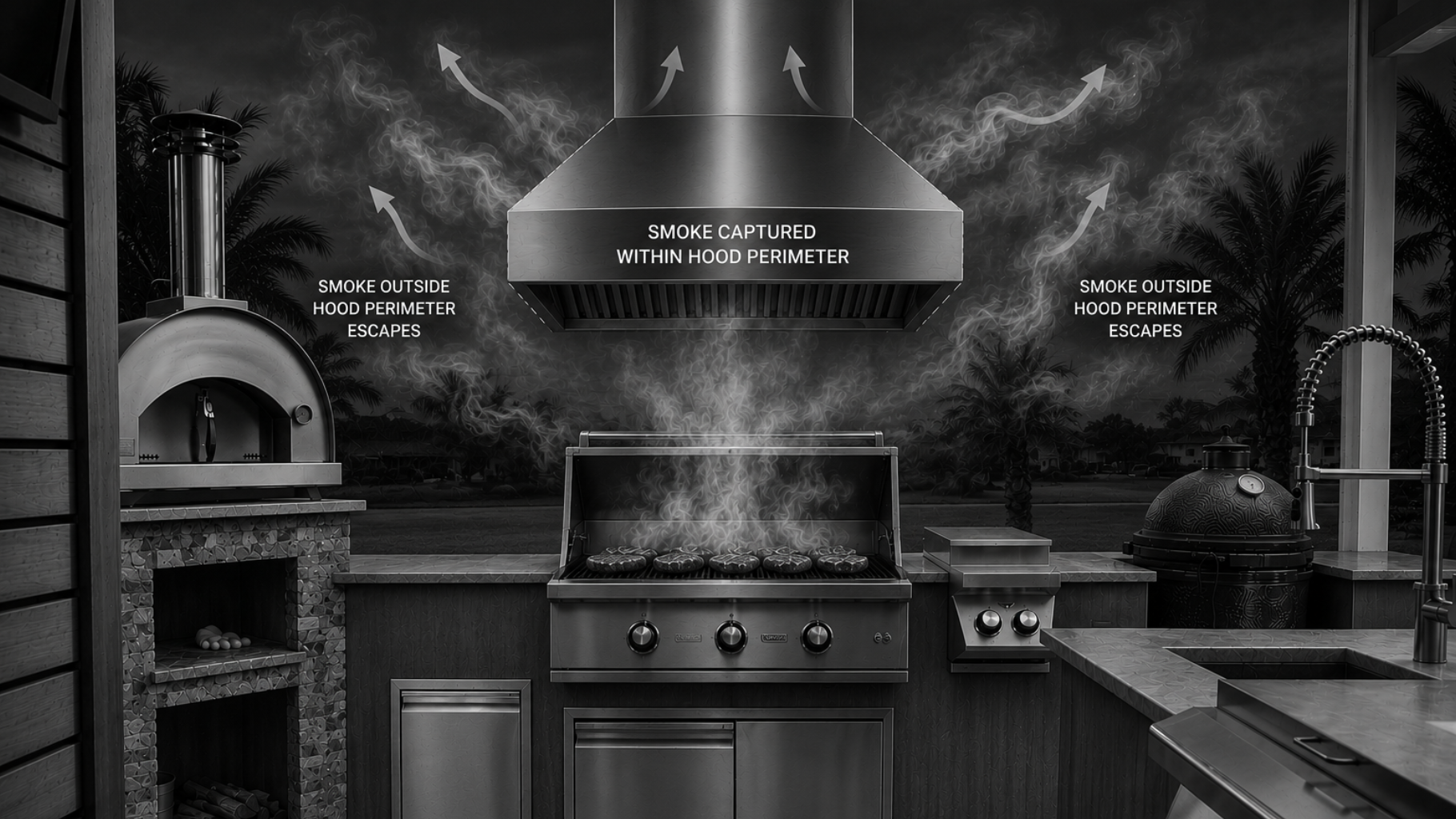
Screened opening under ceiling
Outdoor island vent hoods are for looks only. On a perfectly calm day with no breeze (when does that happen in Florida?), it will remove 0-30% of smoke.
0-30%
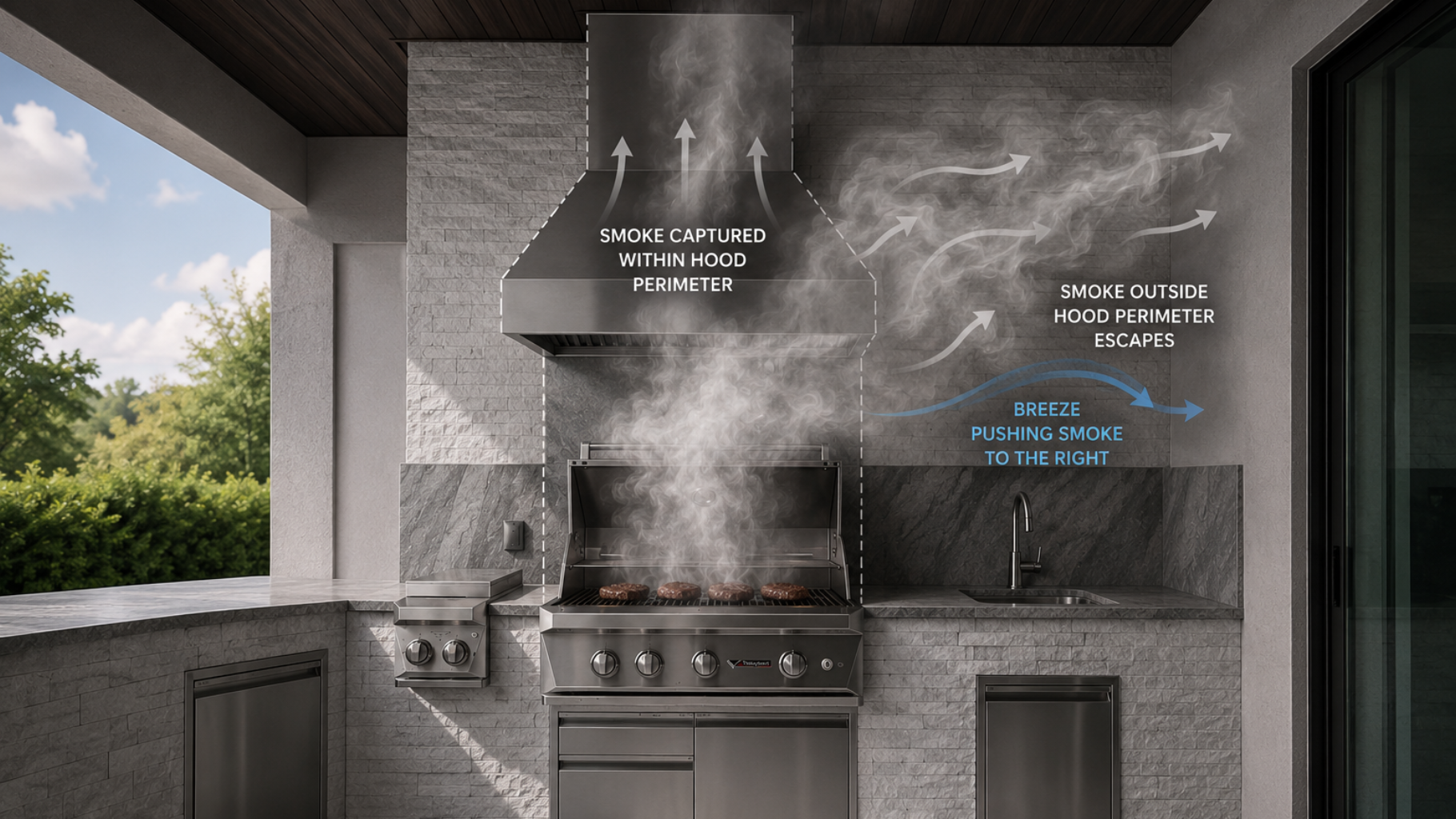
Solid back wall and one side wall
Hood on a solid wall and one main house wall to a side, open on the other. Now you're removing 40–50%.
40-50%
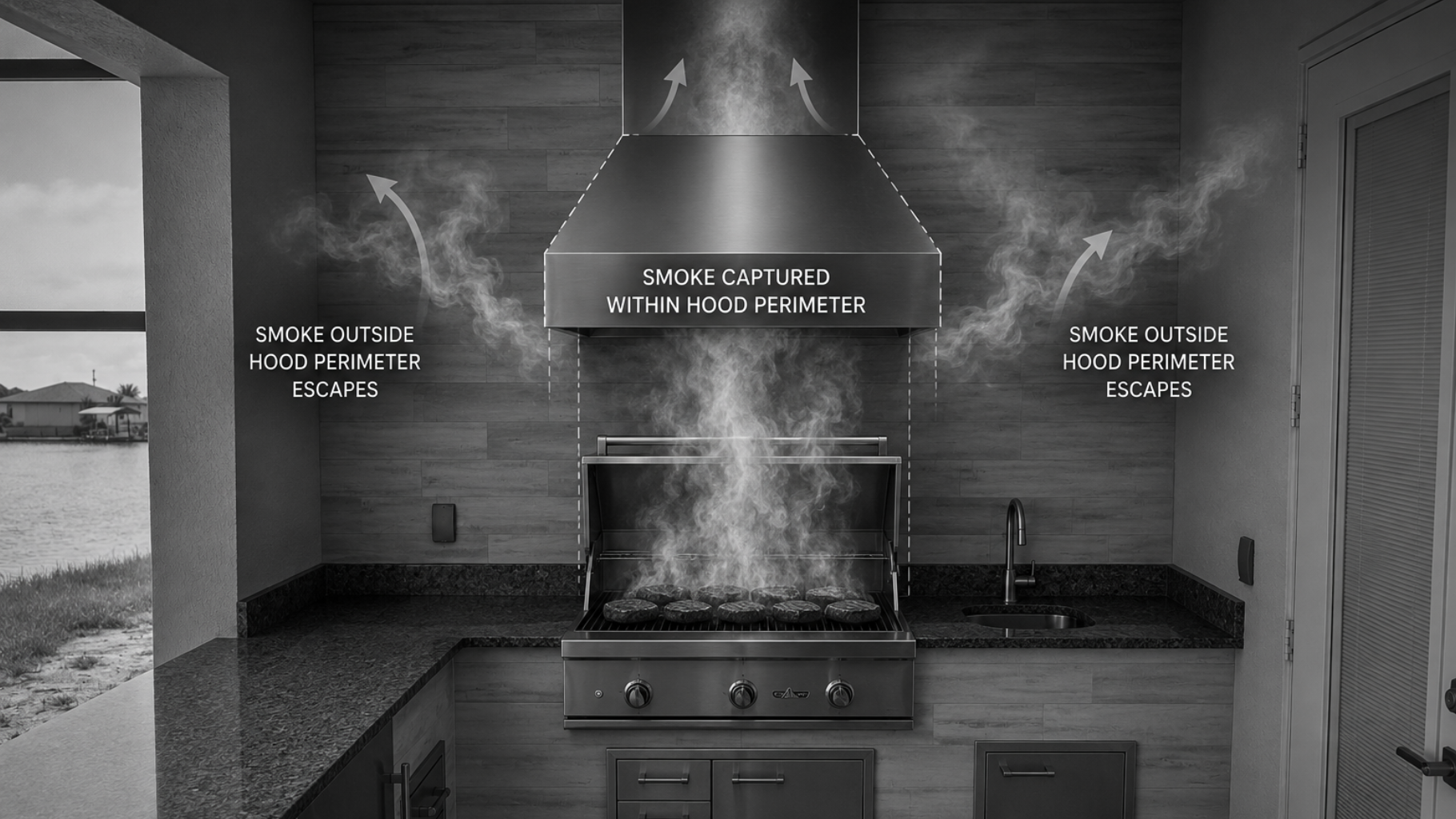
Back wall + a 3–4 ft side wall + main wall
Solid wall behind, one house wall to a side, plus a three- to four-foot wall on the other. Captures up to 60–70% of smoke.
60-70%
Main house wall on each side
A solid back wall with a main house wall on each side. This is about as good a condition as a stock hood gets.
~80%
Grilling in a fully enclosed area with four walls? Then you need a very well-designed, custom-made outdoor hood — a stock unit won't cut it. Even the best hood leaves roughly 20% of the smoke in the air. If your space is open, that's worth knowing before you spend.
— A Cheaper Fix
Higher-quality grills make
far less smoke.
The best cart grills from the big-box stores struggle to reach 500° surface temperature. That matters more than you'd think:
They stay coated in fat and oil that smolders constantly. Drippings flare instead of vaporizing cleanly. And they never get hot enough to burn off the old gunk — so they smoke and smolder every time you cook.
Premium grills like Delta Heat and Twin Eagles run hot enough to keep themselves burned clean — so there's simply less to smoke.
Most smoke happens in two moments anyway: the burn-off when you first fire up (it starts to fade at ~250° and nearly vanishes by 500°), and the first minutes of cooking as steam and drippings settle in. A serious grill shortens both.
The takeaway: if there's dramatically less smoke to begin with, you may be perfectly happy with no hood. Still worried? Plan the project so a hood can be added later — and grill without one first.
— RULE OF THUMB
Less smoke in → less smoke to catch
A hood is a filter on a problem. A better grill shrinks the problem at the source — often for less than the fully installed cost of a hood.
That's why we walk you through the grill decision before the hood decision. Get the grill right and the ventilation question often answers itself.
— Okay — You Want One Anyway
Then let's do it right,
or not at all
Maybe you love the look. Maybe your ceiling's wood. Fair enough. If you're getting a hood, these four numbers decide whether it works or just hangs there.
Airflow
1,200 CFM
The hood must overhang your grill by at least 6" on both sides to have any chance of catching the plume.
IDEAL Width*
+6" each side
The hood is best when it overhangs your grill by at least 6" on both sides to have the best chance of catching the plume.
Depth
30"+ front-to-back
It needs to reach out to the front edge of the cooking surface. Only a couple of makers build them this deep.
Height
36" above grate
Mounted per the maker's spec — generally 36" above the cooking surface. Tall cooks, we build in a little leeway.
Quick Sizing Math
A 36" grill needs a 48" wide × 30"+ deep hood.
( grill width + 6" on each side = hood width )
Get any one of these four wrong and the hood becomes an expensive ceiling ornament. There are only a couple of manufacturers who even build them to the right size — and we stock the ones that do.
* Ideal Width: The total of twelve inches larger than the grilling surface is "the ideal width" of the vent hood. Big BUT, but it really doesn't look that good aesthetically. We generally shoot for at least six total inches larger than the grill to hit the sweet spot between function and look.
— Read This Before You Budget
The surprise
costs & myths
of outdoor hoods
A hood is rarely just the price of the hood. Here's what tends to blindside people — so it doesn't blindside you.
01
It needs its own electrical circuit
A hood requires a dedicated 15-amp home run from your main panel.
+ $800 – $1,400
02
It needs a 10" vent out
Through the wall, or up through the roof. If your ceiling is under 9'6", it has to go through the roof.
+ $350–$700 wall · $1,000–$1,800 roof
03
Don't vent side burners or griddles
Save your money — the hood won't do anything meaningful for them. Vent the grill, not the accessories.
$0 — skip it
04
Roof trusses rarely cooperate
Trusses are often right where the duct needs to go, forcing a custom cover to hide the ductwork.
+ $1,000 – $3,000
05
Ceiling fans don't help
While you're cooking, a ceiling fan just pushes the smoke back down on you. It works against the hood, not with it.
Actively hurts capture
✓ The honest bottom line
Between the hood, electrical, ducting, and truss work, a "simple" hood adds up fast. We price all of it up front — no surprises after the sawdust settles.
Told you so — but now you know
— HL POSEY Builders - Recommended
The outdoor hoods we actually install
Only a handful of hoods are built deep enough and move enough air to do the job in a Florida outdoor kitchen. These are the three we trust — all 304 stainless, all built to survive salt air and humidity.
Made in the USA
TradeWind
Our primary hood & liner supplier · 3-year warranty
- Commercial-grade #304 stainless, inside and out
- Industry-leading 32" capture depth
- Dishwasher-safe commercial baffle filters
- 1,200 CFM (36"–48") · 2,300 CFM (54"–72")
- Convertible top or rear 10" discharge
Pyramid · 36 / 42 / 48 / 60 / 72"
Modern & Straight · 36 / 42 / 48"+
Hood Liner (insert) · 36–72"
Island ·
48"
Made in Italy
Falmec
Italian design · statement styling
- Built with #304 grade stainless steel
- 31½" depth for a superb capture area
- Dishwasher-safe commercial baffle filters
- Integrated LED lighting
- 1,200 CFM motors
Pyramid · 36 / 42 / 48"
Zeus · 36 / 42 / 48"
Line · 36 / 42 / 48"
Made in America
Zephyr Cypress
Seamless, welded & polished profile
- Corrosion-resistant 304-grade stainless canopy
- Extended 32" depth for more capture
- Dishwasher-safe pro baffle filters
- Dual-level LumiLight LED lighting
- Up to 1,200 CFM · 3-speed metallic knobs
Cypress Wall · 36 / 42 / 48 / 54"
10" round discharge
Optional telescopic duct cover
Trade-Wind® BBQ Hoods —
Made in the USA - Phoenix, AZ
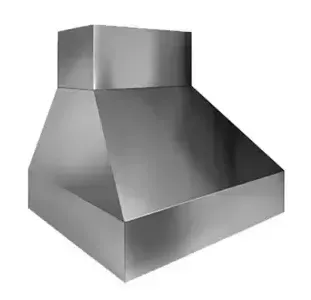
Pyramid Outdoor BBQ Hood
Comes in 36", 42" & 48" with
1200CFM motor
Comes in 60" & 72" with
2300CFM motor
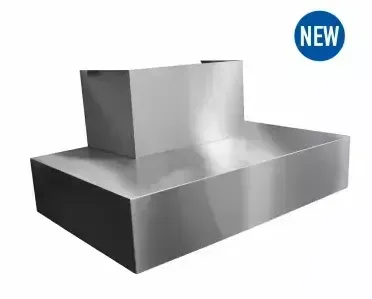
Modern Outdoor BBQ Hood
Comes in 36", 42" & 48" with
1200CFM motor
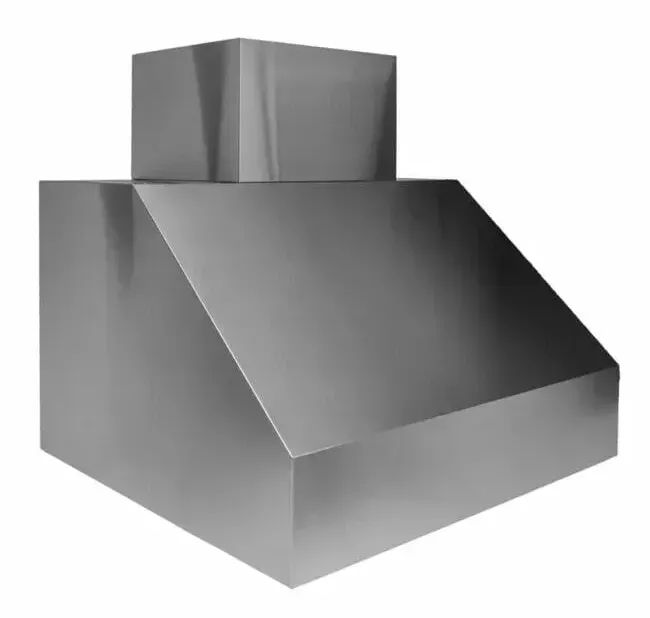
Outdoor BBQ Hood
Comes in 36", 42" & 48" with
1200CFM motors
Comes in 60" & 72" with
2300CFM motor
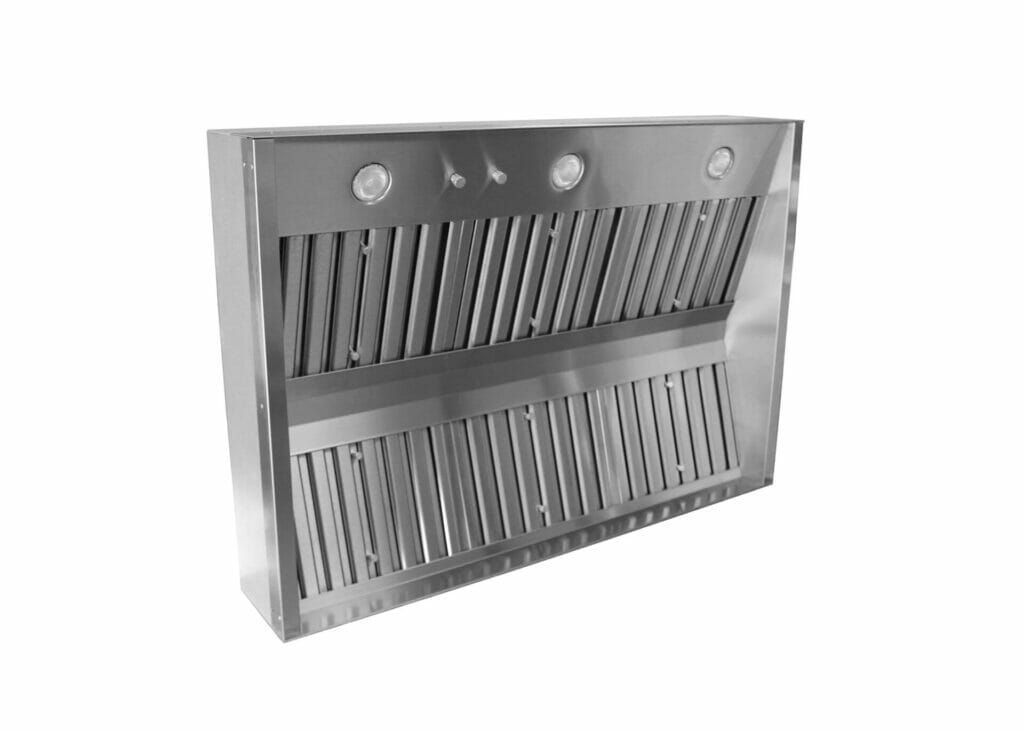
Outdoor BBQ Hood Liner
Comes in 36", 42", 48" & 54" with
1200CFM motor
Comes in 60", 66" & 72" with
2300CFM motor
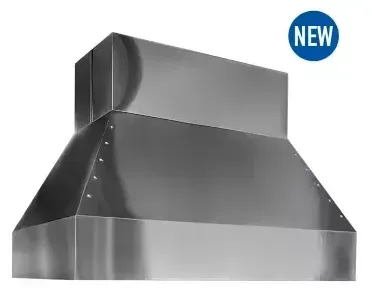
Island Outdoor BBQ Hood
Comes in 48" with
1200CFM motor
Falmec Outdoor Ventilation Hoods — Made in Italy
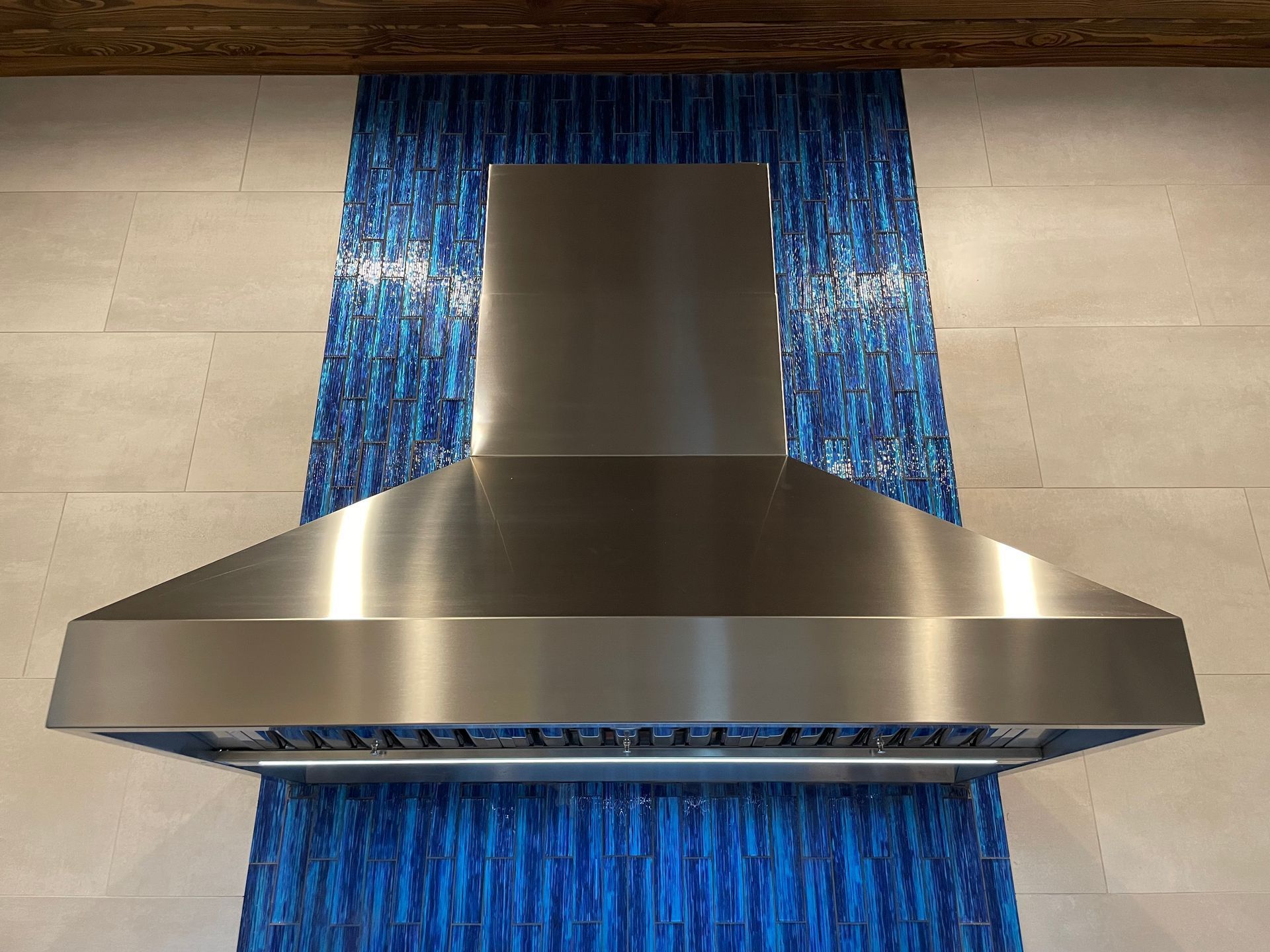
Falmec Pyramid
Comes in 36", 42" & 48" with
1200CFM motor
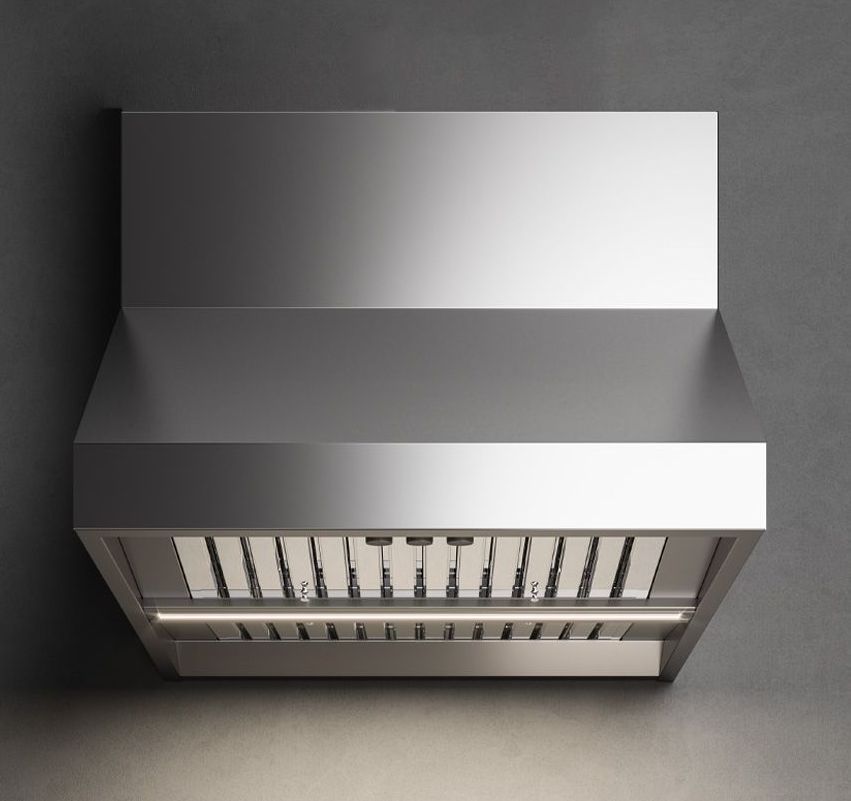
Falmec Zeus
Comes in 36", 42" & 48" with
1200CFM motor
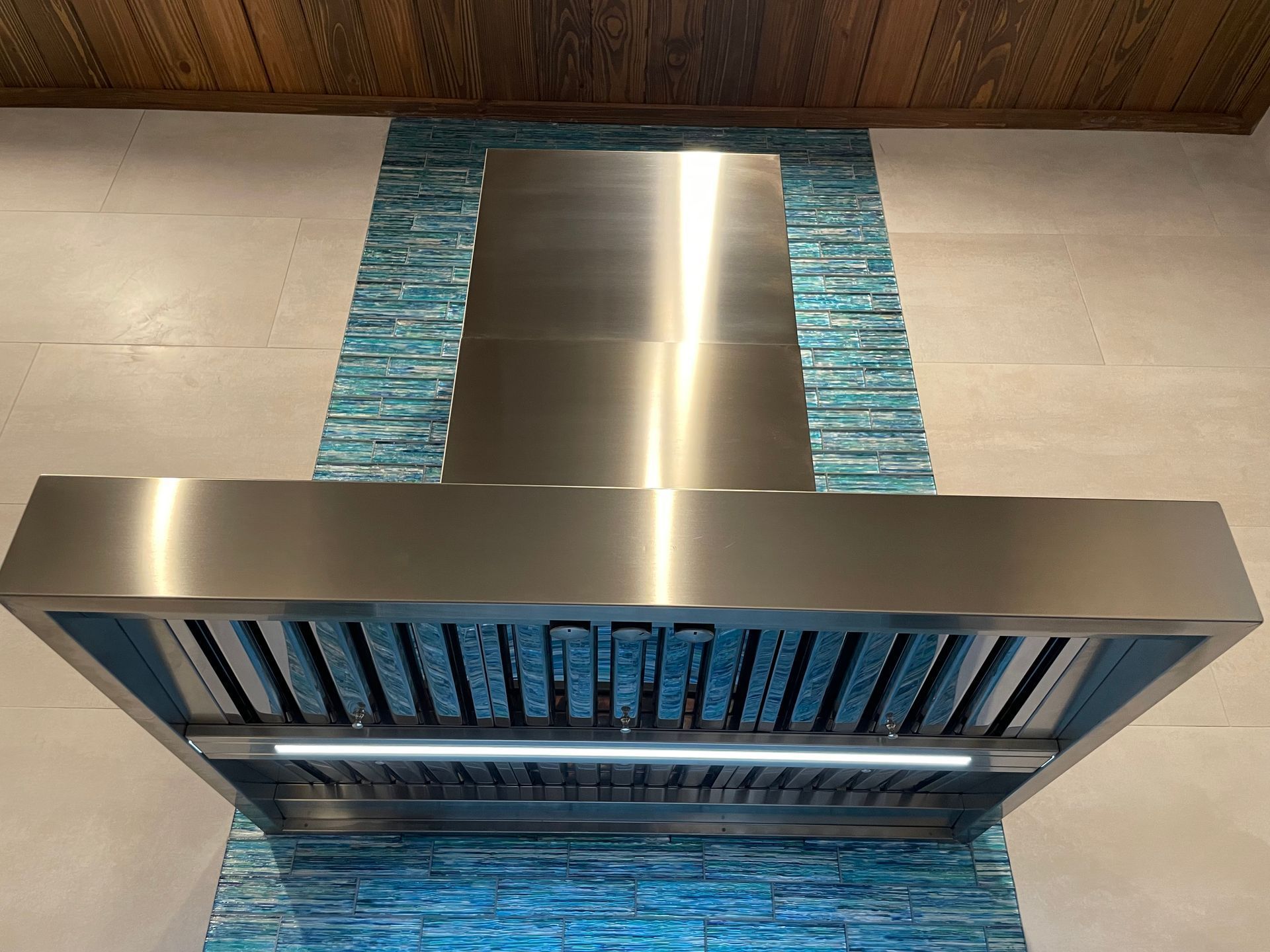
Falmec Line
Comes in 36", 42", & 48" with
1200CFM motor
★★★★★
"Absolutely the best place to purchase an outdoor grill!"
— Rene Cabrera · Google Review
— Your Local Vent-Hood Builder
Trust us as your outdoor grill ventilation builder
HL Posey Builders turns ordinary backyards into personalized outdoor living spaces — custom outdoor kitchens, fire pits, pergolas, and the ventilation to go with them. We work with you from first sketch to final install, so the hood (if you get one) fits the space, the grill, and the budget.
With nearly two decades building across Southwest and Central Florida, we know what salt air, humidity, and screened lanais do to a hood — and how to install one that survives it. We'd rather build you something extraordinary than sell you a kitchen-in-a-box.
Southwest Florida
Cape Coral · Fort Myers · Naples · Bonita Springs · Estero · Marco Island · Sanibel · Captiva · Babcock Ranch
Charlotte & Sarasota Counties
Punta Gorda · Port Charlotte · Sarasota · Lakewood Ranch
Tampa Bay & Nature Coast
Tampa · Wesley Chapel · Spring Hill & Brooksville · The Villages
Not sure if you're in our area? Call
(239) 893-3700 — if we can get a crew to you, we'll build it.
Come see the vent hoods in person
Cape Coral Showroom
1216 SE 9th Terrace, Cape Coral, FL 33990
Mon–Fri 9am–5pm · appointment recommended
— Straight Answers
Outdoor vent hood
FAQs
Do I need a vent hood over my outdoor grill?
Often, no. If your ceiling is a non-combustible material like stucco or drywall and sits at least 72" above the cooking surface, most appliance manufacturers say a hood isn't necessary. The big exception is a wood or faux-wood ceiling — that's combustible, and every manufacturer recommends a hood over a grill beneath it, regardless of height. Beyond code and combustibles, a hood only meaningfully clears smoke if your grilling area has solid walls around it.
Are outdoor vent hoods required by code in Florida?
The State of Florida has no building code requiring a residential vent hood over an outdoor grill. Some companies cite a commercial kitchen code to pressure the sale, but that code governs restaurants, not backyards. A few individual municipalities do have their own requirements, so we always check the rules for your specific address before recommending anything.
Does an outdoor vent hood put out or prevent a fire?
No. Residential outdoor vent hoods do not suppress fire, and shouldn't be sold as a safety device. Fire feeds on the oxygen in moving air, so a hood pulling air upward does not protect against flare-ups. Buy a hood for smoke management or for the look — not for fire safety.
How much smoke does an outdoor vent hood actually remove?
Between about 30% and 80%, decided mostly by the walls around your grill. A screened opening with one house wall clears roughly 30%; a solid back wall with one side wall, 40–50%; a back wall plus a short side wall, 60–70%; and a solid wall with a full house wall on each side, around 80%. Even the best widely-made hood leaves about 20% of the smoke in the air, and a fully enclosed four-wall space needs a custom-designed hood.
How many CFM do I need for an outdoor grill hood?
Plan on a minimum of 1,200 CFM to give the hood a real chance of working over a built-in grill. Larger hoods (54"–72") typically step up to around 2,300 CFM with dual blowers. The strong ones make a little noise on high — but only while you're cooking.
What size vent hood do I need for my grill?
The hood should be at least 6" wider than your grill on each side, and deep enough to reach the front edge of the cooking surface (generally 30"+ front-to-back). So a 36" grill needs roughly a 48"-wide × 30"-deep hood, mounted about 36" above the cooking grate. Only a couple of manufacturers build them deep enough to actually perform — TradeWind, Falmec, and Zephyr Cypress among them.
How much does an outdoor vent hood cost installed?
The hood itself is only part of it. Budget for a dedicated 15-amp circuit ($800–$1,400), a 10" vent through the wall ($350–$700) or through the roof ($1,000–$1,800, required if your ceiling is under 9'6"), and a custom cover if roof trusses block the duct run ($1,000–$3,000). We price the hood and all of the hidden work together, up front, in a free design consultation.
Which outdoor vent hood brand is best?
We install three we trust for Florida's salt air and humidity: TradeWind (our go-to — USA-made 304 stainless, 32" capture depth, 1,200–2,300 CFM, our primary hood and liner supplier), Falmec (Italian-made, 304 stainless, 31½" depth, LED lighting), and Zephyr Cypress (American-made, welded-and-polished 304 stainless, 32" depth, LumiLight LED). All three come in the deep, correctly-sized configurations that actually move enough air.
Can I avoid a vent hood by upgrading my grill?
Sometimes, yes. Cheap grills smoke constantly because they can't get hot enough to burn off accumulated grease. High-end grills like Delta Heat and Twin Eagles run hot enough to stay burned clean, producing dramatically less smoke. In an open-walled space, upgrading the grill sometimes removes the need for a hood entirely — and often costs less than a fully-installed hood.